On Sunday, September 15, I got out of Scripps Encinitas Hospital after a 2 week stay. In the next few updates, I’ll tell you what I was doing there and how I’m doing now.
Complications
On Sunday, September 1st, I was experiencing a lot of pain, sometimes 8 on a scale of 1-10.
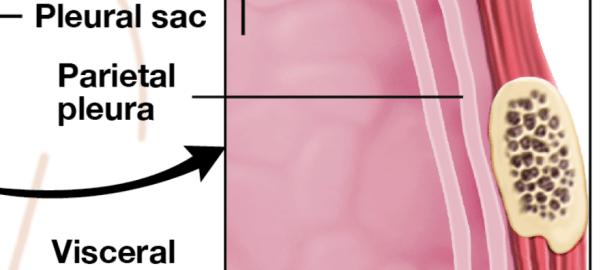
We went to the ER and after some testing, they discovered 2 major complications. 1 was a pleural effusion, a bag of fluid between my lung and chest cavity that was limiting my lung capacity. The pleural cavity is usually a very narrow cavity between the lungs and the rest of the body. Just around the lung is a thin tissue called the parietal pleura. Normally, this cavity contains just enough fluid to allow the lungs to glide along this tissue as they expand and contract. Sometimes, however, this fluid inside this cavity doesn’t drain properly, and fills will fluid. This is a rare condition. The problem with this is that the extra fluid can compress the lung and reduce lung capacity, making it harder to breathe.
They had to install a chest tube so the fluid could drain.

Additionally, they found an infection, a bacteria called Granulicatella adiacens, a species that is difficult to grow in a lab, and so unknown even to most microbiologists. The infection was related to the effusion, so the next day, they put in a chest tube so they could drain fluid from the effusion.
So now instead of one potentially deadly condition, I now had 3.
Insurance
When Kathy lost her job last year, we lost our traditional health insurance, which was really good. We signed up for a cost sharing program. To use one of these programs, you need to tell medical providers that you are self-pay. You pay everything with cash or credit card. You get an itemized receipt from the provider, then submit to your program. We will get reimbursed by our program roughly 3 months after we pay the expense.
There are big pros and cons to these programs.
Cons:
1. Cost sharing programs are new, so most providers still don’t know how to handle them. They reflexively want to bill insurance, so they are always asking what program we have. To prevent them from sending our program a bill, we always just say that we’re self-pay.
2. It’s almost been a full-time job for Kathy to collect itemized bills from hospitals, individual doctors, and laboratories. Happily, Kathy is running her art business full time now, so she has the flexibility to do this.
Pros:
1. Providers usually give huge discounts for self-pay. My recent hospital stay was expensive, but we will get a 50% discount.
2. The monthly cost of our sharing program is far less than insurance premiums for the both of us for the month. So we actually opted not to get insurance from my new job.
3. One big problem with health care is that you can’t just ask your provider how much something costs. Insurance companies still cut mysterious deals with providers, so no-one seems to know what anything costs. Cost sharing programs may be a way around this. We get bills with actual numbers on them for the services we use.
First world countries have a variety of approaches to health care. Nationalized services have the problems of high taxation and long waits for care. The US now has high costs for insurance premiums and high deductibles. I think cost sharing, when it’s more accepted, may be the future of health care payments.
Opioids
I started taking opiate medications, which made me mildly hallucinate and become nervous about addiction.
I’m not at all excited about taking opioids. Coming in several forms, opioids are highly addictive, and have other unfortunate side effects. I’m a very disciplined, type-A person, so I’m hopeful I won’t have too much trouble working my way off of them, but friends who have done so say it took them some time. I also have friends, very good people, who ended up having to go to rehab so they could be supervised. You can certainly pray for me during this process when the time comes.
If you end up having to take opioids, make sure you work with your doctors to find the right regimen, and follow your doctor’s orders. You can change your prescription and orders, but don’t take more than your doctor prescribes. This will help keep you from having trouble.
Erik
If you want to subscribe to these posts, click on the “Subscribe” link on the lower right corner of this page.
 doubloondiagnostic.com